

Research Interests
I am broadly interested in how neural representation and computation govern cognition and affect. My
goal is to uncover the computational mechanisms shared across biological and artificial systems.
Previously, I was an fMRI guy who developed fMRI-based predictive models of pain with human brain representations.
Also, I investigated the sense of
agency in an artificial agent by using the PV-RNN algorithm, which
combines predictive
coding with variational recurrent neural networks.
|
PublicationsMain papers are highlighted. My publications are also listed on Google Scholar. |
|
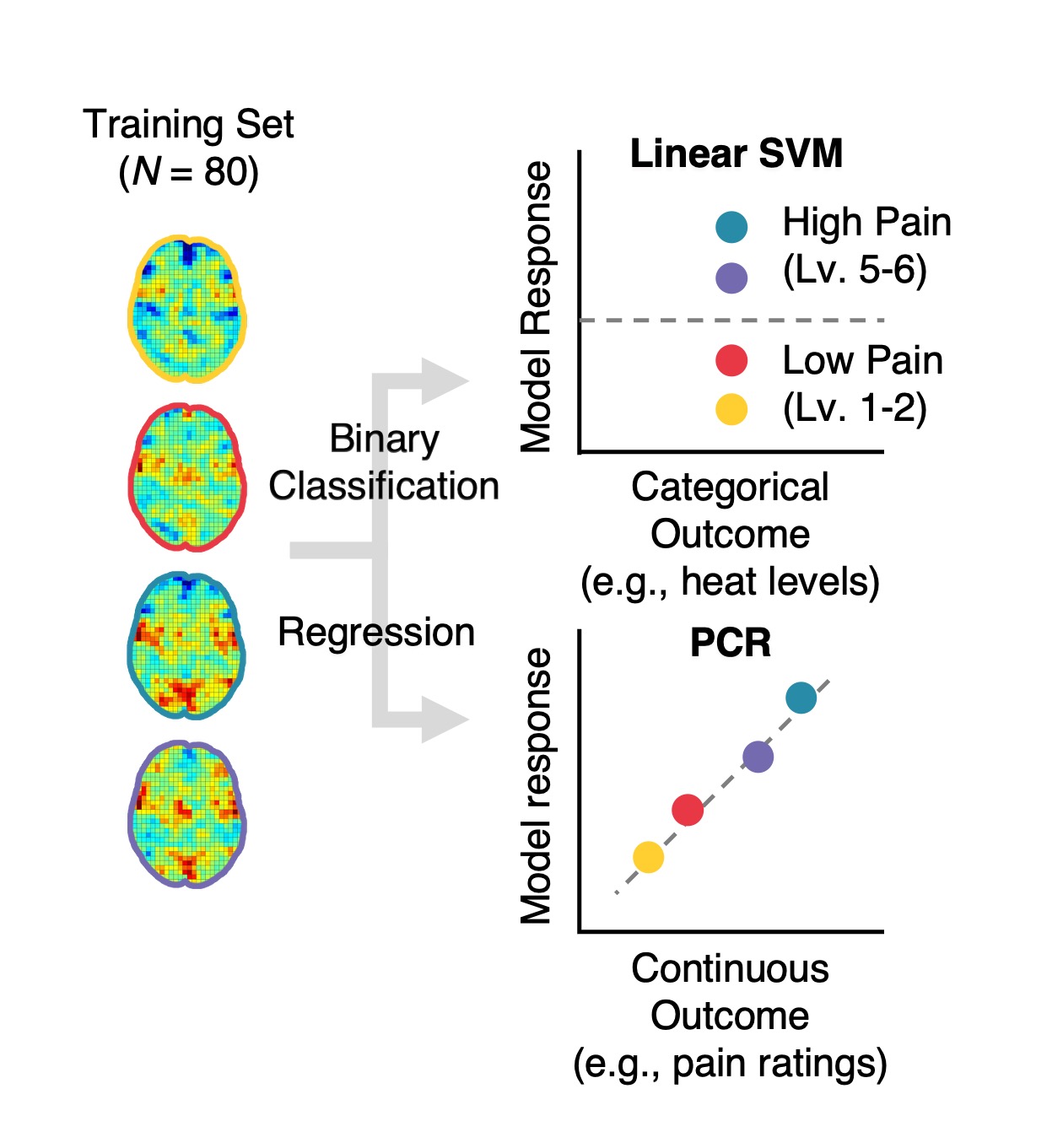
Decoding pain: uncovering the factors that affect the performance of neuroimaging-based pain models
Dong Hee Lee (Lead author), Sungwoo Lee, Choong-Wan Woo PAIN, 2025 paper / codes / commentary This study shows a comprehensive overview about modeling targets and options of brain imaging-based pain predictive models through a literature review and benchmark analysis.
|
|
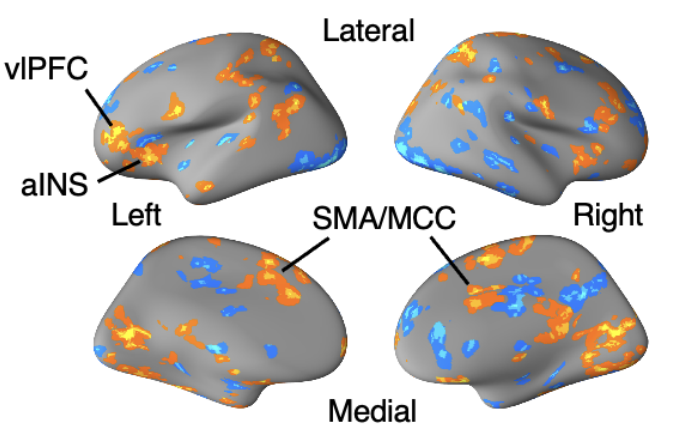
Interindividual differences in pain can be explained by fMRI,
sociodemographic, and psychological factors
Suhwan Gim, Dong Hee Lee, Sungwoo Lee, Choong-Wan Woo Nature Communications, 2024 paper As a commentary paper for Hoeppli et al. (2022), this paper examined that a multiple regression model including brain imaging, sociodemographic, and psychological measures could predict individual differences in pain self-report. We also identified brain regions associated with these differences using fMRI data. |
|
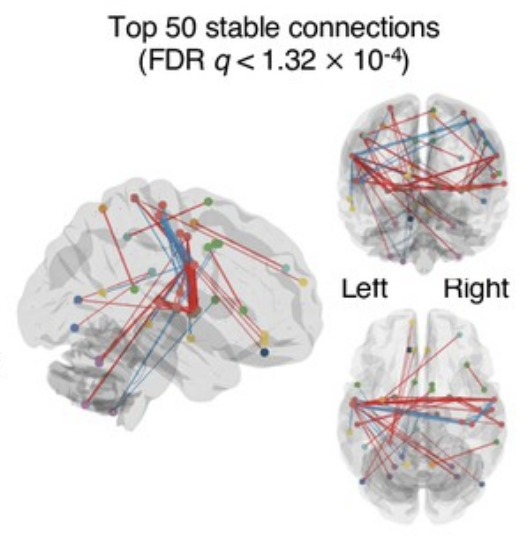
Functional brain reconfiguration during sustained pain
Jae-Joong Lee, Sungwoo Lee, Dong Hee Lee, Choong-Wan Woo eLife, 2022 paper / codes This study explored dynamic changes in functional brain networks during pain in the mouth, which provides new insights into how dynamic interactions between brain systems organize and modulate the experience of pain. |
|
Individual variability in brain representations of pain
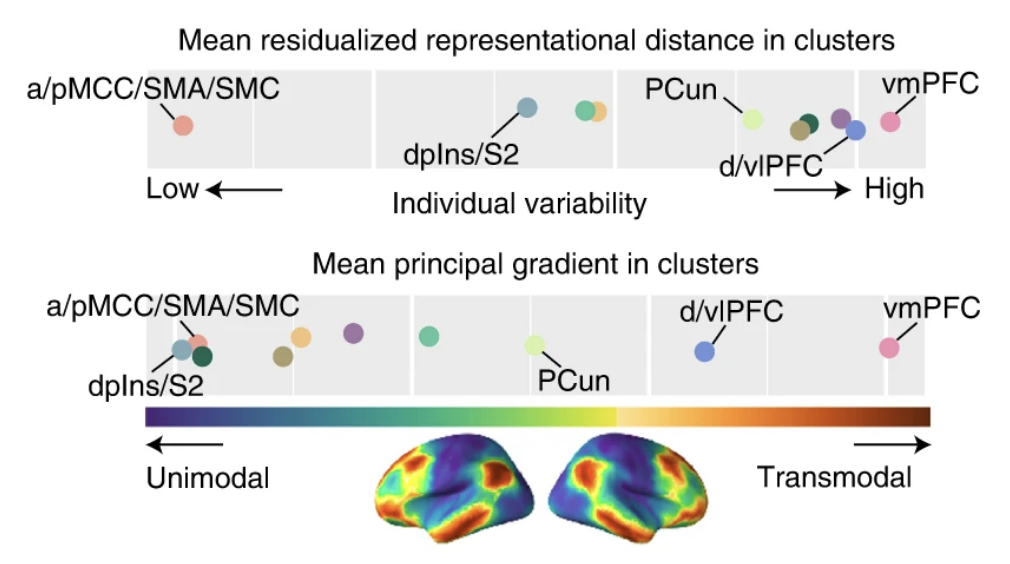
Lada Kohoutová, Lauren Y. Atlas, Christian Büchel, Jason T. Buhle, Stephan Geuter, Marieke Jepma, Leonie Koban, Anjali Krishnan, Dong Hee Lee, Sungwoo Lee, Mathieu Roy, Scott M. Schafer, Liane Schmidt, Tor D. Wager & Choong-Wan Woo Nature Neuroscience, 2022 paper / codes This study identified different brain representations of pain processing across brain regions. Some brain regions such as vmPFC show high variability across individuals, whereas other regions such as SMC show stable patterns. |
ProjectsResearch works are highlighted. |
|
Human-like shifts in the sense of agency within computational models
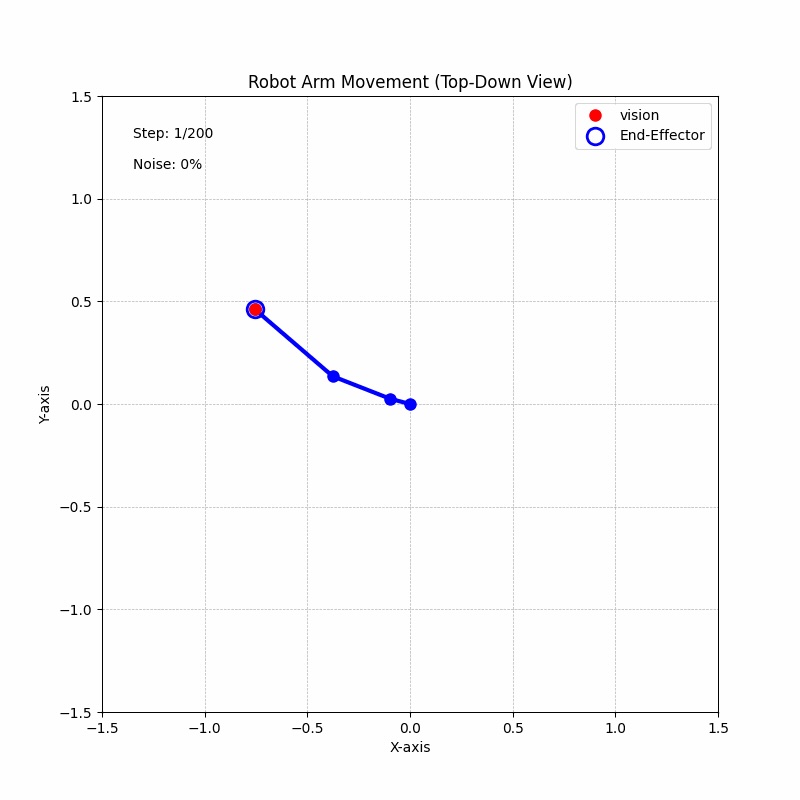
Dong Hee Lee (Project Leader), Lingwei Zhu, Yukie Nagai in analysis Can artificial neural networks replicate human-like shifts in sense of agency in response to sensorimotor conflicts? If so, are the shifts in sense of agency asymmetric between gaining and losing controllability? We address this question through PV-RNN and robot arm data. Skills: Python, Numpy, PyTorch, Hydra, Matplotlib, MySQL, Docker |
|
RL-Codebook
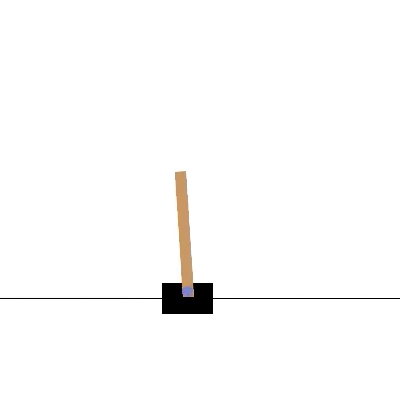
side project 🚧 under construction 🚧 RL-Codebook is a structured reinforcement learning repository that connects mathematical theory to runnable code, offering clean implementations of classic and modern RL algorithms (e.g., Q-learning and PPO) with reproducible experiments and systematic evaluation. Skills: Python, Numpy, PyTorch, PyYAML, Gymnasium |
|
Thanks to Jon Barron for providing the template of this website. |